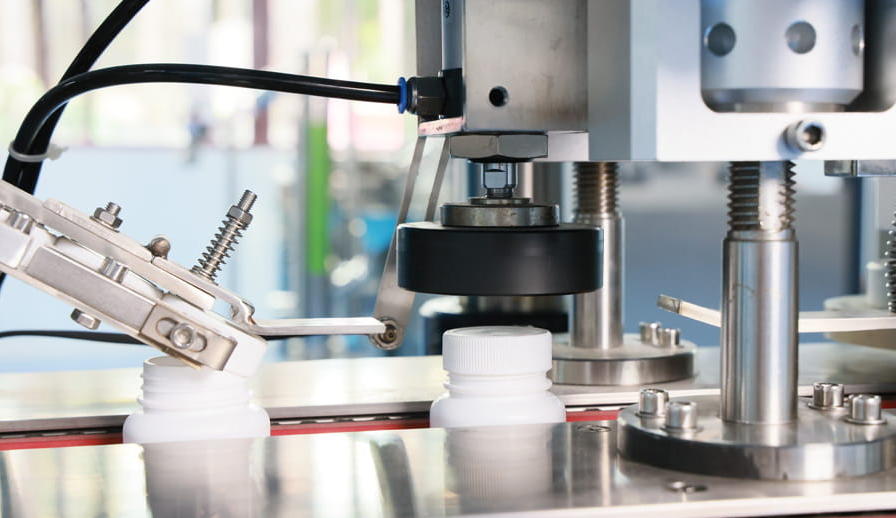
In today’s fast-moving industrial landscape, packaging has become far more than a final production step. It is now a critical stage that directly influences product safety, shelf life, brand reputation, and customer satisfaction. Industries such as food and beverages, pharmaceuticals, cosmetics, chemicals, and household goods all depend on highly reliable packaging systems to ensure their products remain stable and protected from production to consumption. Within this evolving ecosystem, the capping machine for bottles has emerged as an essential technology that ensures secure sealing with precision and consistency.
As global demand continues to rise and supply chains become more complex, manufacturers are under pressure to produce large volumes of bottled products without compromising quality. Manual capping methods are no longer practical in high-speed production environments because they lack consistency and efficiency. This has made automated capping systems a standard requirement in modern packaging lines.
Bottle capping technology is not just about closing containers, it is about ensuring trust, safety, and uniformity at scale.
The Importance of Reliable Bottle Sealing
Every bottled product must be sealed properly to protect its contents from contamination, leakage, and environmental exposure. Even a small sealing defect can compromise product quality and lead to customer dissatisfaction or regulatory issues.
The capping machine for bottles ensures that each container is sealed with controlled torque and precise alignment. This creates a consistent and secure closure that helps maintain product integrity throughout storage and transportation.
In industries where safety is critical, such as pharmaceuticals and food production, proper sealing directly affects product effectiveness and consumer health. This makes bottle capping one of the most important stages in the packaging process.
See also: Why Automatic Filling and Capping Machine Technology
Why Precision Matters in Modern Packaging Systems
Precision is a key requirement in modern manufacturing environments where consistency determines success. Customers expect every product they purchase to meet the same quality standard, regardless of production batch or scale.
A capping machine for bottles provides this precision by applying uniform pressure and accurate torque during the sealing process. Unlike manual methods, automated systems eliminate inconsistencies caused by human error or fatigue.
This level of control improves product quality, reduces defects, and enhances operational efficiency. It also ensures compliance with strict quality and safety regulations in highly controlled industries.
The Shift Toward Automation in Manufacturing
Automation has become a defining feature of modern industrial production. Companies are increasingly adopting automated systems to improve speed, reduce costs, and increase reliability.
The capping machine for bottles is a clear example of how automation transforms packaging operations. It automates the sealing process, allowing production lines to operate continuously with minimal manual intervention.
This not only increases output but also ensures consistent quality across large production volumes. Automation reduces human dependency and helps create more stable and predictable manufacturing processes.
Enhancing Production Efficiency and Output
Efficiency is one of the most important goals in industrial manufacturing. Businesses must meet growing demand while controlling costs and maintaining quality standards.
The capping machine for bottles significantly improves production efficiency by handling high volumes of bottles quickly and accurately. It removes bottlenecks in packaging lines and ensures smooth integration with filling and labeling systems.
This allows manufacturers to scale operations effectively and respond to market demand without delays.
Higher efficiency also leads to better resource utilization and improved profitability.
Ensuring Product Safety and Consumer Confidence
Product safety is a top priority in industries where bottled goods are consumed or used directly by customers. Any failure in sealing can lead to contamination, leakage, or spoilage.
The capping machine for bottles ensures secure, tamper-resistant sealing that protects products from external exposure throughout their lifecycle. This is especially important for beverages, medicines, and personal care products.
Strong sealing integrity helps preserve product freshness and safety, which in turn builds consumer confidence and brand loyalty.
Reliable packaging is a key factor in long-term business success.
Applications Across Multiple Industries
The versatility of the capping machine for bottles makes it suitable for a wide range of industries.
It is widely used in food and beverage production for sealing water, juice, sauces, and edible oils. In pharmaceuticals, it is essential for medicine bottles, syrups, and health supplements. Cosmetic manufacturers rely on it for lotions, creams, and skincare products.
It is also commonly used in chemical and household product manufacturing for cleaning agents, disinfectants, and industrial liquids.
This wide applicability highlights its importance in modern production environments.
Improving Workforce Efficiency and Reducing Manual Workload
Modern manufacturing aims to reduce repetitive manual tasks while improving productivity and safety.
The capping machine for bottles reduces the need for manual labor in sealing operations by automating the entire process. This allows workers to focus on quality control, machine supervision, and process optimization.
Automation also reduces fatigue-related errors and improves workplace safety.
By improving workforce efficiency, manufacturers can achieve higher output with fewer operational challenges.
Maintaining Consistency in Large-Scale Production
Consistency is essential in modern manufacturing, where even small variations can affect product quality and brand reputation.
A capping machine for bottles ensures uniform torque and sealing strength across every bottle, eliminating inconsistencies found in manual operations.
This consistency improves product reliability and reduces the risk of leakage or packaging failure.
It also simplifies inspection processes and strengthens overall production quality control.
Sustainability and Efficient Resource Use
Sustainability is becoming increasingly important in industrial operations. Manufacturers are expected to reduce waste and improve environmental performance.
The capping machine for bottles supports sustainability by minimizing product loss caused by improper sealing. Accurate capping reduces rejected products and improves material efficiency.
Efficient production processes also help reduce energy consumption and support environmentally responsible manufacturing practices.
As sustainability becomes a global priority, efficient packaging systems are gaining greater importance.
The Future of Bottle Capping Technology
The future of manufacturing is moving toward intelligent, connected, and automated systems. Technologies such as artificial intelligence, sensors, and real-time data monitoring are reshaping production environments.
The capping machine for bottles is also evolving with these advancements. Future systems are expected to include smart torque control, predictive maintenance, and real-time performance tracking.
These innovations will help manufacturers reduce downtime, improve efficiency, and maintain higher levels of precision.
As Industry 4.0 continues to expand, bottle capping machines will become more integrated into fully automated smart factories.
Final Thoughts
In modern manufacturing, packaging is a critical factor that determines product safety, quality, and market success. Industries around the world depend on reliable sealing systems to maintain consistency and protect product integrity.
The capping machine for bottles has become an essential part of this ecosystem by delivering precision, efficiency, and reliability in bottle sealing operations. Its ability to support high-volume production while maintaining consistent quality makes it a valuable asset across multiple industries.
As technology continues to advance, bottle capping machines will remain a foundational component of modern packaging systems, helping businesses deliver safe, high-quality, and trustworthy products to global markets.