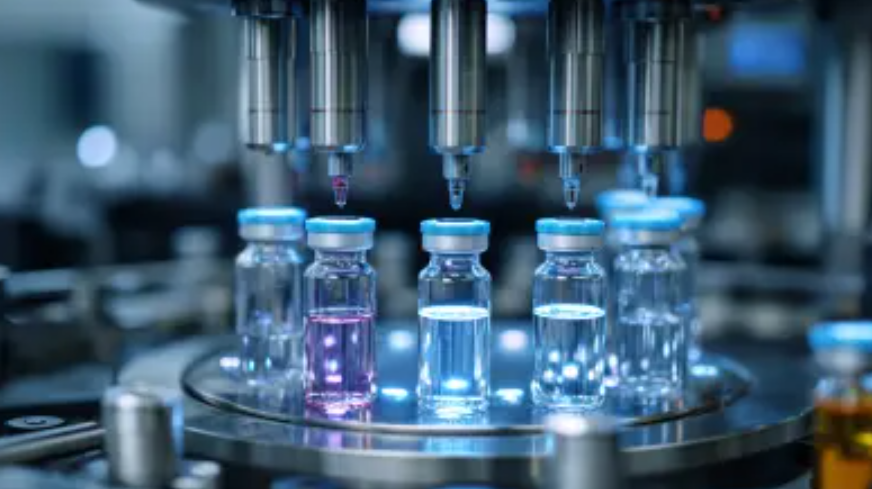
Manufacturing industries are facing increasing pressure to produce higher volumes of products while maintaining exceptional quality standards and controlling operational costs. Consumers expect consistency, safety, and reliability in every product they purchase, regardless of industry. At the same time, businesses must compete in global markets where efficiency and productivity often determine long-term success. In this rapidly evolving environment, the automatic filling and capping machine has emerged as one of the most important innovations in modern packaging and production systems.
From food and beverage manufacturing to pharmaceuticals, cosmetics, chemicals, and personal care products, automated packaging technologies are transforming how products move from production lines to consumers. Filling and capping are two critical stages of packaging, and combining them into a single automated system offers significant advantages for manufacturers.
As industries continue embracing automation, the automatic filling and capping machine is becoming a cornerstone of efficient, scalable, and high-quality production operations.
The Evolution of Packaging Automation
Packaging processes have changed dramatically over the years. Traditional production methods often relied heavily on manual labor for filling containers and securing caps. While these methods worked for smaller production volumes, they became increasingly inefficient as demand grew.
The introduction of the automatic filling and capping machine marked a major step forward in packaging technology. By integrating filling and capping functions into a single automated workflow, manufacturers gained the ability to increase output while reducing manual intervention.
Today, automation is no longer viewed as a luxury. It has become a necessity for companies seeking to remain competitive in fast-paced global markets.
The evolution of packaging systems reflects a broader industrial shift toward smarter, faster, and more reliable manufacturing practices.
See also: Why Mechanical Push Button Design Still Matters in an Era Dominated
Why Production Efficiency Matters More Than Ever
Global competition has intensified across nearly every industry. Manufacturers are constantly looking for ways to improve productivity without sacrificing quality.
The automatic filling and capping machine addresses this challenge by streamlining two essential production processes into one coordinated operation. Automated systems can process large numbers of containers quickly and consistently, helping businesses meet growing demand without significantly increasing labor costs.
Higher production efficiency also enables manufacturers to respond more effectively to market opportunities and seasonal fluctuations.
In an environment where speed and consistency are critical, automation provides a significant competitive advantage.
Improving Product Consistency and Quality
Consumers expect every product they purchase to meet the same quality standards. Variations in fill levels or improperly sealed containers can negatively impact customer satisfaction and brand reputation.
An automatic filling and capping machine helps eliminate these issues by delivering precise filling volumes and consistent capping performance. Automated controls ensure that each container receives the correct amount of product and is securely sealed according to predefined specifications.
This consistency supports quality assurance programs while reducing the risk of product recalls, customer complaints, and production waste.
Reliable packaging quality strengthens consumer trust and helps brands maintain their market position.
Supporting a Wide Range of Industries
One of the greatest strengths of the automatic filling and capping machine is its versatility. These systems are used across a wide variety of industries and product categories.
Food and beverage manufacturers use them to package sauces, juices, oils, dairy products, and nutritional supplements. Pharmaceutical companies rely on automated systems for medicines, syrups, and healthcare products.
Cosmetic manufacturers package lotions, shampoos, creams, and skincare products using filling and capping technologies. Chemical producers similarly benefit from automated handling of industrial liquids and specialty formulations.
This broad range of applications makes automatic filling and capping machines valuable assets across numerous manufacturing sectors.
Enhancing Workplace Productivity
Workforce challenges have become a growing concern for manufacturers around the world. Labor shortages, rising wages, and increasing production demands are encouraging businesses to explore automation solutions.
The automatic filling and capping machine helps improve workplace productivity by reducing dependence on repetitive manual tasks. Employees can focus on quality control, equipment monitoring, and higher-value activities rather than routine packaging operations.
Automation also reduces fatigue-related errors that can occur during repetitive manual work.
By optimizing labor utilization, businesses can improve operational efficiency while creating more productive working environments.
The Role of Precision in Modern Manufacturing
Precision has become a defining characteristic of successful manufacturing operations. Even small variations in filling volumes or cap placement can have significant consequences when multiplied across large production runs.
The automatic filling and capping machine uses advanced control systems to maintain high levels of accuracy throughout the packaging process. Precise filling reduces product waste, while consistent capping ensures container integrity and product protection.
This attention to detail contributes directly to operational performance, regulatory compliance, and customer satisfaction.
As manufacturing standards continue to rise, precision-driven technologies will become increasingly important.
Maintaining Hygiene and Product Safety
Product safety is a major concern across industries, particularly in sectors such as food, pharmaceuticals, and personal care.
The automatic filling and capping machine supports hygiene objectives by minimizing direct human contact with products during packaging. Automated systems create controlled production environments that reduce contamination risks and improve overall cleanliness.
Many machines are designed using sanitary construction principles and materials that facilitate cleaning and maintenance.
These features help manufacturers meet regulatory requirements while ensuring that products reach consumers in safe and reliable condition.
Sustainability and Resource Optimization
Sustainability has become a strategic priority for many organizations. Consumers, investors, and regulators increasingly expect businesses to operate responsibly and efficiently.
The automatic filling and capping machine contributes to sustainability goals by reducing product waste and improving resource utilization. Accurate filling systems help minimize overfilling, while reliable capping reduces packaging defects and material loss.
Automation also supports efficient energy usage and streamlined production processes.
As industries continue seeking environmentally responsible solutions, advanced packaging technologies will play an important role in achieving sustainability objectives.
Smart Manufacturing and Industry 4.0 Integration
Modern factories are becoming more connected and data-driven through Industry 4.0 technologies. Automation systems now collect valuable information that helps manufacturers improve performance and decision-making.
The automatic filling and capping machine is increasingly being integrated into smart manufacturing environments. Features such as real-time monitoring, automated diagnostics, predictive maintenance, and production analytics provide greater visibility into operational performance.
These capabilities help businesses identify inefficiencies, reduce downtime, and optimize production processes.
The combination of automation and digital intelligence is shaping the future of manufacturing worldwide.
Future Opportunities for Packaging Automation
As consumer markets continue evolving, packaging technologies must adapt to changing demands. Greater product diversity, shorter production cycles, and increasing customization requirements will drive further innovation.
Future automatic filling and capping machine systems are likely to become even more flexible, intelligent, and efficient. Artificial intelligence, machine learning, and advanced robotics may further enhance productivity while reducing operational complexity.
Manufacturers that invest in modern automation technologies today will be better positioned to navigate future industry changes and maintain long-term competitiveness.
The ongoing advancement of packaging automation reflects a broader commitment to innovation and operational excellence.
Final Thoughts
Manufacturing success increasingly depends on the ability to balance efficiency, quality, safety, and scalability. As industries face growing competition and rising consumer expectations, automation technologies have become essential tools for achieving these goals.
The automatic filling and capping machine stands out as one of the most valuable innovations in modern packaging operations. By combining precision filling and reliable capping into a single automated process, it helps manufacturers improve productivity, maintain consistency, and reduce operational costs.
As smart manufacturing and industrial automation continue to advance, automatic filling and capping machines will remain central to the future of efficient production systems, helping businesses deliver high-quality products while meeting the demands of an increasingly dynamic global marketplace.