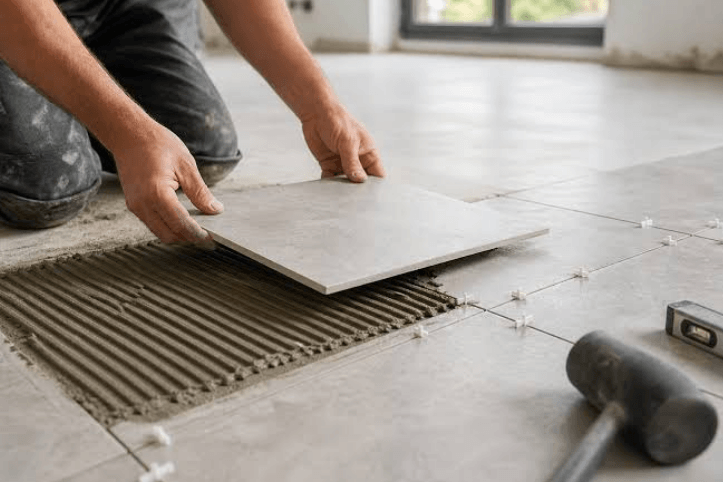
Ceramic floor tile has a reputation for being straightforward. You pick a colour, you lay it down, you enjoy it for decades. The reality holds a few more decisions than that, and the buyers who understand them end up with floors that look better and last longer.
What separates a good ceramic floor from a disappointing one rarely comes down to price alone. It comes down to matching the right tile to the right room, understanding a handful of technical ratings, and buying enough to finish the job without a frantic reorder halfway through.
Start with where the tile will live
The first question is not colour, it is location. A tile that performs beautifully in a powder room may fail in an entryway that sees wet boots all winter. Traffic, moisture, and temperature swings all shape the right choice.
For high-traffic areas, look at the wear rating. A reliable ceramic floor supplier will list the PEI rating for each product, a scale that runs from light residential use up to heavy commercial. A kitchen or hallway wants a higher rating than a rarely used guest bath. Ignoring this figure is the most common way buyers end up with tile that scratches or dulls faster than expected.
Understand the ratings that matter
Beyond wear, two other numbers deserve attention. Water absorption tells you how porous the tile is, which matters enormously in bathrooms, entryways, and anywhere moisture collects. Lower absorption means better resistance to staining and, in cold climates, better resistance to freeze damage on covered exterior surfaces.
Slip resistance, often expressed as a coefficient of friction, matters most in wet areas. A gorgeous polished tile can turn into a hazard in a bathroom, so a textured or matte finish often makes more sense underfoot near showers and sinks. Suppliers such as Daltile and Centura publish these specifications, and comparing them across products prevents an attractive but impractical purchase.
Size, layout, and the illusion of space
Tile dimensions do more than dictate the look. Larger format tiles create fewer grout lines, which reads as a cleaner, more expansive surface and simplifies cleaning. Smaller tiles and mosaics offer grip and detail but multiply the grout that needs sealing and scrubbing.
The layout choice interacts with room shape. Running a rectangular tile lengthwise can stretch a narrow room visually. A diagonal set can soften a boxy space. These are not just aesthetic games. The right layout can make a modest room feel generous, while the wrong one can emphasize awkward proportions.
Calculate quantity with a real margin
Nothing derails a tile project like running short. Dye lots vary between production batches, so a mid-job reorder risks arriving in a slightly different shade. The fix is simple: buy more than the bare square footage.
A standard allowance adds ten percent for straightforward layouts and fifteen percent for diagonal or intricate patterns that generate more cuts. Keeping a few spare tiles after the job wraps is wise too. If a tile cracks years later, a matching replacement from the same lot saves an unsightly patch. Mono Serra and similar brands package coverage clearly, which makes this calculation easier than it once was.
Do not overlook the setting materials
The tile itself is only part of the purchase. The mortar, grout, and any uncoupling membrane form a system, and mismatched components undermine even the finest tile. Large-format tile, for instance, often calls for a specific medium-bed mortar to support its weight and prevent lippage, where one tile edge sits higher than its neighbour.
Grout choice affects both looks and maintenance. Epoxy grout resists stains and moisture better than traditional cement grout but costs more and demands faster, more careful application. Matching grout colour to the tile hides dirt in high-traffic zones, while a contrasting colour highlights a pattern for visual effect. These small decisions shape how the floor ages.
Balancing budget against longevity
It is tempting to chase the lowest price per square foot, but the smarter metric is cost over the floor’s lifespan. A slightly pricier tile with a higher wear rating and lower absorption can outlast a budget option by years, making it cheaper in the long run.
That said, spending more does not automatically buy a better result. A mid-range tile chosen correctly for its room, installed with proper materials on a well-prepared subfloor, will outperform a premium tile installed carelessly. The money is often better spent on preparation and setting materials than on chasing the most expensive product on the shelf.
Colour, texture, and the trap of the showroom sample
One factor buyers routinely underestimate is how differently tile reads once it covers a whole floor. A single sample held in showroom lighting can look warm and inviting, then turn cold and grey across an entire room under natural daylight. The scale changes the perception, and so does the light.
The safeguard is to view a sample in the actual room, at different times of day, before committing to a large order. Morning light, afternoon light, and evening artificial light can each shift how a tile’s colour and undertone appear. A tile that flatters a north-facing bathroom may fall flat in a sunlit kitchen, and no amount of showroom admiration predicts that reliably.
Texture deserves the same caution. A tile that photographs as smooth may carry a subtle relief that catches dirt, while a matte finish that looks flat in a photo can hide daily wear beautifully. Running a hand across a physical sample reveals what a screen never will. For floors especially, where texture affects both grip and cleaning, this tactile check prevents a purchase that disappoints the moment it is underfoot rather than under the fingertips in a store.
See also: From Delaware to Delhi: A Step-by-Step Guide to Business Setup in India for US-Based Companies
Bringing it together before you order
A good ceramic floor purchase rests on a short checklist. Confirm the wear rating suits the room. Check water absorption for moisture-prone spaces. Verify slip resistance where floors get wet. Choose a tile size and layout that flatter the room’s shape. Add a proper overage to your order, and select setting materials designed for the tile you picked.
Work through those points and the floor almost takes care of itself. Ceramic tile earns its long reputation precisely because, chosen well and installed properly, it keeps performing quietly for twenty years or more while the trends around it come and go. The buyers who take the time to match rating to room, calculate a real overage, and pair the tile with proper setting materials are the ones who never think about their floor again, which is exactly the outcome a good tile purchase should deliver.