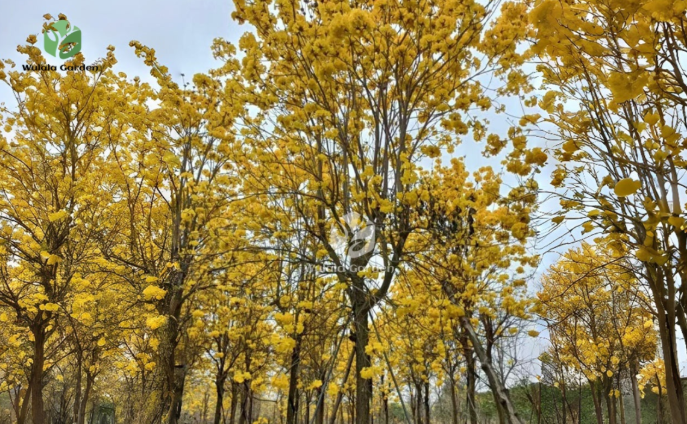
Few trees make as bold a statement in a landscape as the golden trumpet tree. Known for its vibrant yellow blooms that seem to light up an entire yard, this tropical beauty has become a favorite among homeowners and landscapers alike. Whether you’re looking to add a striking focal point to your garden or create a stunning avenue of color, this tree delivers year after year with minimal fuss. Understanding its needs, growth habits, and where to source a healthy specimen can help you make the most of this remarkable addition to your outdoor space.
What Makes This Tree So Popular
The appeal of this tree lies in its dramatic flowering display. During blooming season, the entire canopy can be covered in clusters of bright yellow, trumpet-shaped flowers that create a breathtaking visual effect. Unlike many flowering trees that bloom for just a few weeks, this variety often produces flushes of color multiple times throughout the year, especially in warmer climates.
Beyond its beauty, the tree is valued for its relatively fast growth rate and adaptability. It tolerates a range of soil types and doesn’t demand constant attention once established, making it an excellent choice for both experienced gardeners and beginners looking to add impact without excessive maintenance.
Ideal Growing Conditions
Like most tropical and subtropical flowering trees, this species thrives in warm climates with plenty of sunlight. Full sun exposure encourages the most abundant blooming, while partial shade may still produce a healthy tree but with fewer flowers.
Well-draining soil is essential, as waterlogged roots can lead to fungal issues and stunted growth. Sandy loam or slightly acidic soil tends to work best, though the tree shows a fair degree of adaptability to different soil compositions. Regular watering during the establishment phase helps roots develop deeply, after which the tree becomes noticeably more drought-tolerant.
Where to Find a Golden Trumpet Tree for Sale
When searching for a golden trumpet tree for sale, it’s important to buy from a reputable nursery that can guarantee healthy stock free from pests and disease. Look for young saplings with strong, unblemished stems and vibrant green foliage, as these are signs of good health and proper care during propagation.
Local nurseries often provide the advantage of trees already acclimated to your regional climate, which can reduce transplant shock. Online retailers can also be a convenient option, particularly for rarer varieties, but be sure to check reviews and return policies before purchasing, since trees shipped over long distances can sometimes arrive stressed or damaged.
Planting Tips for Success
Getting your tree off to a strong start begins with proper planting technique. Dig a hole roughly twice the width of the root ball but no deeper, ensuring the tree sits at the same soil level it was growing at in its container. Backfill with a mix of native soil and compost to give young roots a nutrient boost.
Water thoroughly after planting and apply a layer of mulch around the base, keeping it a few inches away from the trunk to prevent rot. Staking may be necessary for younger trees in windy areas until the root system is established enough to provide stability on its own.
See also: Why Case Erector Machines Are Essential for Modern Packaging Automation
Ongoing Care and Maintenance
Once established, this tree requires relatively low maintenance compared to many other flowering species. Fertilizing two to three times during the growing season with a balanced, slow-release fertilizer supports healthy growth and encourages more abundant blooming.
Pruning is best done after a flowering cycle to shape the canopy and remove any dead or crossing branches. This not only keeps the tree looking tidy but also improves air circulation, reducing the risk of fungal problems. Keep an eye out for common pests like aphids or scale insects, which can occasionally target new growth, though infestations are generally easy to manage with early intervention.
Landscaping Uses and Design Ideas
This tree works beautifully as a standalone specimen, drawing the eye with its striking color and elegant form. Planted along driveways or property borders, a row of these trees can create a stunning seasonal display that transforms an entire landscape.
For smaller gardens, a single well-placed tree can serve as a focal point, paired with lower-growing shrubs and groundcover in complementary colors like deep greens or purples to make the yellow blooms pop even more. Larger properties can take advantage of the tree’s growth habit by using it to create shaded seating areas or framing entrances with symmetrical plantings.
Common Challenges and How to Avoid Them
While generally hardy, this tree can face a few challenges if growing conditions aren’t quite right. Overwatering is one of the most common mistakes, leading to root rot and yellowing leaves. Ensuring proper drainage from the start prevents most moisture-related issues.
Cold sensitivity is another consideration, particularly in regions with occasional frost. Younger trees are more vulnerable, so protective coverings during unexpected cold snaps can help prevent damage until the tree matures and develops greater resilience.
Final Thoughts
Adding this vibrant flowering tree to your landscape is a rewarding investment that pays off with years of stunning seasonal color and relatively easy care. By choosing healthy stock, providing the right growing conditions, and following simple maintenance practices, you can enjoy a thriving centerpiece for your garden that continues to impress with every blooming cycle. With a little planning and the right start, this tree can become one of the most cherished features of your outdoor space.