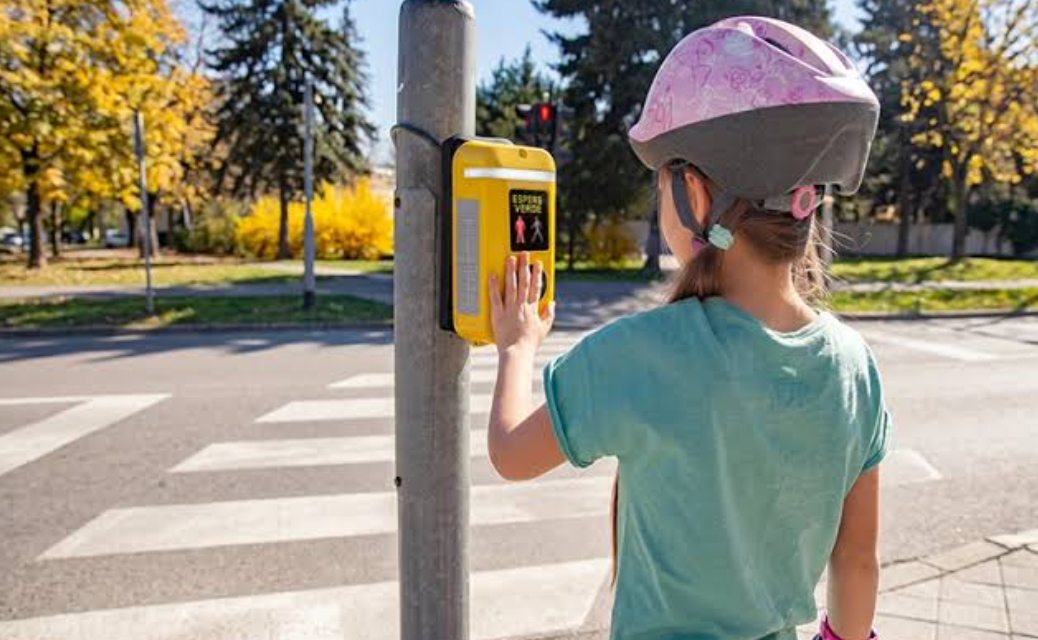
Urban transportation systems are constantly evolving as cities face increasing challenges related to population growth, traffic congestion, and pedestrian safety. With more people moving through busy streets every day, creating safer environments for pedestrians has become a major priority for transportation planners and city authorities. Traditional road safety methods are no longer enough to address the complex needs of modern communities. As a result, innovative solutions are transforming the way cities approach pedestrian movement, with the pedestrian crossing becoming an important area of development in modern urban transportation.
For decades, pedestrian crossings have served as a basic connection between walking routes and road networks. However, growing urban demands have encouraged cities to improve these systems through better design, advanced technology, and smarter infrastructure planning. Modern crossing solutions are focused not only on reducing accidents but also on improving accessibility, convenience, and overall mobility.
The future of urban transportation depends on creating environments where vehicles and pedestrians can move safely together. Innovations in pedestrian crossing infrastructure are helping cities establish stronger safety standards while supporting more efficient and inclusive transportation networks.
The Growing Importance of Pedestrian Safety in Cities
Pedestrian safety has become one of the most important topics in urban planning.
Every day, millions of people walk through city environments to reach workplaces, schools, shopping areas, and public facilities. Without proper crossing infrastructure, pedestrians may face risks when interacting with busy roads and vehicle traffic.
Safe crossing systems help create organized movement and reduce uncertainty for both pedestrians and drivers.
As cities continue expanding, improving pedestrian safety is becoming essential for creating better living environments.
Limitations of Traditional Crossing Systems
Traditional crossing methods have played an important role in road management for many years.
However, older systems may not always respond effectively to changing traffic conditions and pedestrian needs. Fixed timing schedules, limited accessibility features, and outdated designs can create challenges in modern urban environments.
Cities now require more flexible solutions that can adapt to different situations.
This has encouraged the development of advanced crossing technologies and improved infrastructure designs.
See also: From Delaware to Delhi: A Step-by-Step Guide to Business Setup in India for US-Based Companies
How Innovation Is Improving Crossing Safety
Modern pedestrian infrastructure is benefiting from technological advancements.
Smart signals, improved visibility features, interactive controls, and better road designs are helping create safer crossing experiences.
These innovations allow transportation systems to respond more effectively to pedestrian activity and changing conditions.
By combining technology with thoughtful planning, cities can reduce risks and improve mobility.
Creating Safer Interactions Between Vehicles and Pedestrians
A successful transportation system must support both drivers and pedestrians.
Poorly designed intersections can create confusion and increase the chances of accidents.
Improved crossing solutions provide clearer guidance for road users, helping vehicles understand pedestrian movement while giving people safer opportunities to cross.
Better coordination creates a more balanced relationship between different types of transportation users.
Supporting Accessibility in Urban Environments
Modern cities must consider the needs of all community members.
Children, elderly individuals, and people with mobility challenges may experience additional difficulties when crossing roads.
Innovative crossing designs focus on making transportation infrastructure easier and safer for everyone.
Accessibility improvements help create public spaces where more people can move independently.
The Role of Smart Technology in Road Safety
Technology is changing how cities manage transportation.
Smart infrastructure uses sensors, automation, and data-driven systems to improve efficiency and safety.
Pedestrian crossing systems are becoming part of this technological transformation.
Future solutions may provide more responsive traffic management by connecting pedestrian needs with intelligent transportation networks.
Improving Walkability and Urban Quality of Life
Walkable cities provide benefits beyond transportation.
When people feel safe walking through urban areas, communities become more active, connected, and accessible.
Well-designed pedestrian infrastructure encourages walking and improves the overall experience of public spaces.
Better crossing systems are an important part of creating cities that support healthier and more sustainable lifestyles.
Supporting Smart City Development
Smart cities focus on using innovation to improve everyday life.
Transportation is one of the most important areas where technology can create meaningful improvements.
Advanced pedestrian infrastructure supports smart city goals by improving safety, efficiency, and connectivity.
As cities continue adopting intelligent systems, pedestrian solutions will become increasingly important.
Reducing Traffic Challenges Through Better Planning
Traffic management requires careful coordination between different road users.
Effective pedestrian infrastructure helps reduce confusion and creates more predictable movement patterns.
When crossing systems are properly designed, they can improve traffic organization while maintaining pedestrian safety.
Better planning helps cities create transportation networks that work efficiently for everyone.
The Future of Pedestrian Crossing Innovation
The future of urban transportation will involve greater integration between people, vehicles, and technology.
New developments in automation, artificial intelligence, and connected infrastructure will continue influencing how cities design crossing systems.
Future pedestrian solutions will focus on improving safety, accessibility, and efficiency.
Cities that invest in innovative infrastructure today will be better prepared for future transportation challenges.
Building Safer and More Sustainable Communities
Transportation infrastructure has a direct impact on daily life.
Small improvements in pedestrian safety can create significant benefits for communities by reducing risks and improving mobility.
Innovative crossing systems contribute to safer streets while supporting more sustainable urban development.
Creating pedestrian-friendly environments is becoming an essential part of modern city planning.
Final Thoughts
Urban transportation is entering a new era where safety, accessibility, and technology work together to improve everyday movement. As cities become more crowded, traditional approaches to pedestrian management must evolve to meet modern challenges. Innovative infrastructure solutions are helping create safer environments where pedestrians can move with greater confidence.
The continued development of the pedestrian crossing demonstrates how important these systems are in modern transportation planning. By improving safety standards, supporting accessibility, enhancing traffic coordination, and contributing to smarter urban design, pedestrian crossing innovations are helping cities build safer and more efficient environments for the future.